

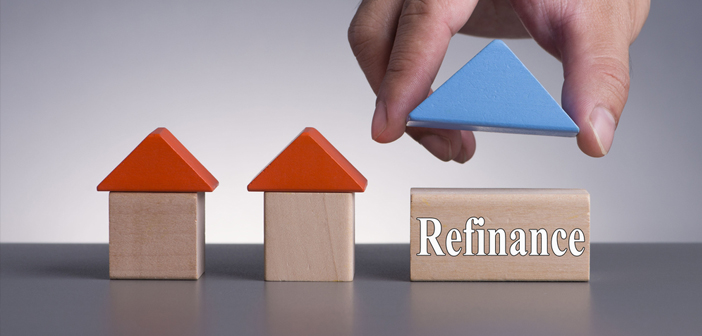
What is refinancing?
Refinancing occurs when a business or person revises a payment schedule for repaying debt. The old loan is paid off and replaced with a new loan offering different terms. It may involve paying a penalty or fee.
Why Refinance?
The common goal when one wants to refinance is to pay less interest over the life of the loan. Borrowers may also want to change the duration of the loan.
Typically, a refinanced loan will have a lower interest rate.
When you consider refinancing, you’ll want to shorten the term of your loan.
Common reasons for refinancing include:
- Refinancing to lower your payment. Many people choose this option as a way of lowering their payments.
- Refinancing to cash out on your home equity. Instead of getting a personal loan, you can opt for refinancing your home and gaining access to the equity instead. It can be quite risky, as you could lose your home if you don’t make repayments
- You can refinance in order to get a fixed-rate loan. If your loan is available at a variable interest rate, by refinancing you could get a fixed-rate loan instead. This way, your repayments won’t be affected by interest rate fluctuations and you’ll have consistent repayment amounts.
Tips to keep in mind before you refinance:
Consider what your goals really are.
Take all closing costs and fees into consideration. Costs typically include second bond registration costs, conveyancing fees and the cost of valuing the property.
Understand the fees involved.
Understand the risks involved.
Your credit profile will be reviewed when you apply, as a way to determine whether you’ll be able to repay the loan or not as well as to determine your payment behaviour.
Some lenders refinance only existing customers, so it helps to shop around beforehand